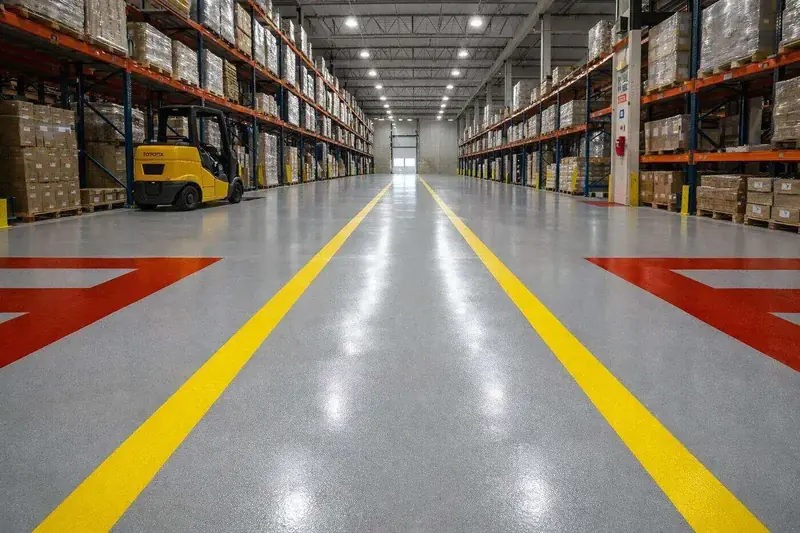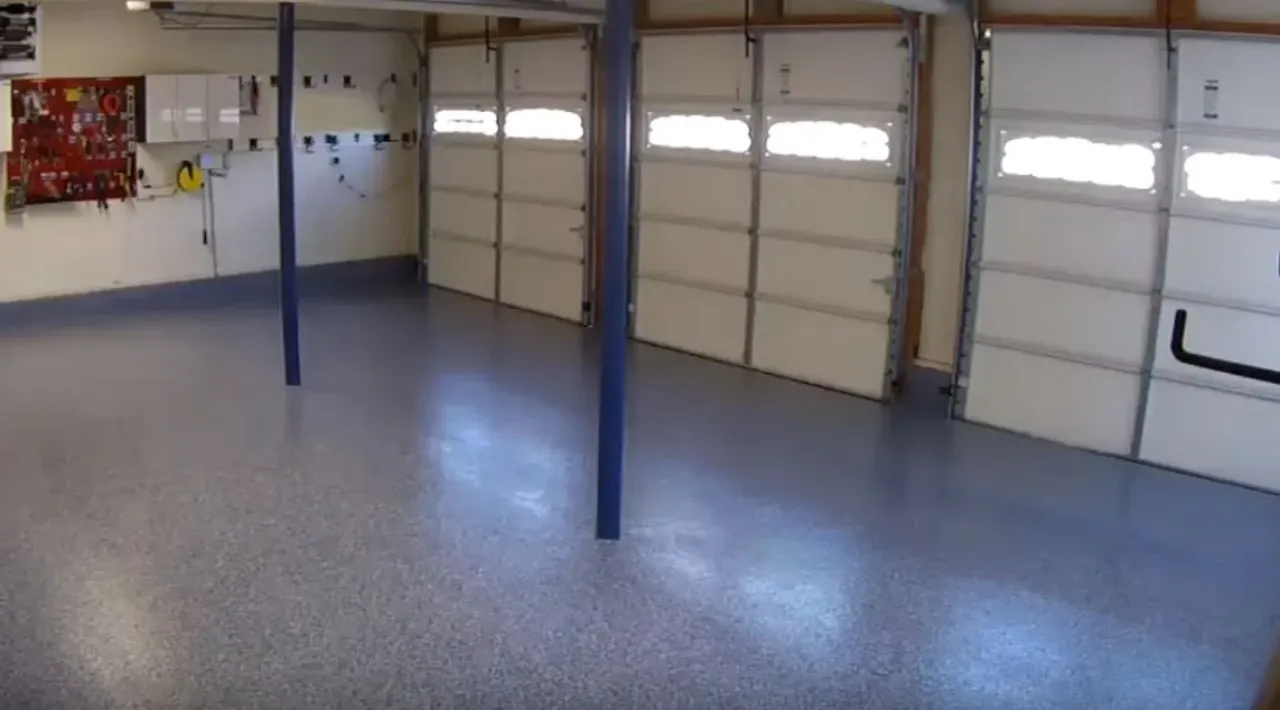
An epoxy floor is one of the lowest-maintenance surfaces you can put in an Orlando home or business: a weekly dust-mop, a monthly damp-mop with a pH-neutral cleaner, and the occasional hose-down are all it takes to keep it looking new. The non-porous coating does the hard work — you just have to avoid the handful of products and habits that dull it.
This guide covers the simple routine that keeps an epoxy floor pristine, the cleaners and tools you should never use, the Orlando-specific factors that affect care (humidity, summer storms, sand and grit, pool and lanai exposure), how to handle stains, and when it is time to protect or recoat the surface. Follow it and your floor will look great for 15 to 20-plus years without waxing, sealing, or refinishing. Questions about your specific floor? Call (407) 783-8654.
The Low-Maintenance Routine
The beauty of a professionally installed epoxy floor is how little it asks of you. A non-porous, seamless surface does not trap dirt, stains, or odors the way concrete, tile grout, or carpet do. Here is the entire maintenance program.
Daily and weekly
Dust-mop or run a soft push-broom over the floor to lift sand and grit. This is the single most important habit, because tracked-in grit is abrasive and, left underfoot, will slowly scratch any floor finish. In a busy garage or shop, a quick pass every few days is plenty; in a low-traffic interior room, once a week is fine.
Monthly
Damp-mop with warm water and a pH-neutral floor cleaner. For a garage, you can hose the floor, agitate any dirty spots with a soft-bristle brush, and squeegee it toward the door. Let it air-dry or squeegee it dry to avoid water spots. That is it — no wax, no sealer, no buffing.
As needed
Wipe up spills when they happen. Because the coating is non-porous, a quick wipe with a paper towel and a little pH-neutral cleaner handles almost anything before it has a chance to stain. Place a mat under a vehicle engine or in a workshop area if you expect frequent drips, and use furniture pads under heavy items to prevent scratches.
What NOT to Use
Most epoxy floors that look dull or hazed were not worn out — they were cleaned with the wrong products. Protect your topcoat by keeping these off the floor.
- Acidic and citrus cleaners, and vinegar: these slowly etch and dull the topcoat. Vinegar is a popular "natural" cleaner but it is mildly acidic and not friendly to a coated floor.
- Bleach and harsh degreasers: they can discolor the finish and break down the topcoat over repeated use.
- Abrasive pads, steel wool, and scouring powders: anything gritty enough to scratch will leave permanent dull marks.
- Stiff metal scrapers: if you must remove something stuck, use a plastic putty knife, never metal.
- Soap-based mop solutions left to dry: they leave a film that hazes the gloss. Rinse after using any soap.
The safe default for nearly every cleaning job is warm water plus a pH-neutral cleaner and a soft mop or soft-bristle brush. When in doubt, that combination will not hurt the floor.
| Job | Do | Don't |
|---|---|---|
| Routine clean | Dust-mop + pH-neutral damp-mop | Vinegar, citrus, bleach |
| Tough spot | Soft nylon brush + warm water | Steel wool, scouring pad |
| Stuck debris | Plastic putty knife | Metal scraper |
| Oil / grease | Mild cleaner, wipe promptly | Strong solvent degreaser |
Design your floor and see your Orlando price range in 60 seconds.
Open Floor Studio →Orlando-Specific Care
Central Florida adds a few wrinkles to floor care that homeowners in drier climates never think about. None of them are difficult — you just have to know they exist.
Sand and grit
Orlando's sandy soil means fine grit gets tracked in constantly, especially in garages that open to driveways and homes near lakes. That grit is abrasive, so frequent dust-mopping matters more here than almost anywhere. A walk-off mat at the garage door and entry points cuts down on how much makes it onto the floor.
Humidity and summer storms
The coating itself is unaffected by humidity once cured, but standing water from summer storms can leave mineral spots and, in a garage, can carry in mud and debris. After heavy rain, squeegee any standing water out of low spots and off the floor. A quick rinse-and-squeegee after a storm keeps the floor spotless.
Pool, lanai, and sun exposure
If your floor is near a pool or on a lanai, rinse off pool chemicals and salt promptly so they do not sit on the surface. A UV-stable polyaspartic topcoat resists sun-fading, but rinsing keeps chemical residue from etching the finish over time. For sun-exposed areas, the topcoat is doing its job — your part is just keeping residue from sitting.
Stain Removal
Because epoxy is non-porous, the vast majority of spills never become stains if you wipe them up reasonably soon. When something does need more than a wipe, match the method to the mess.
Oil, grease, and automotive fluids: blot up the bulk, then clean with warm water and a mild, non-acidic cleaner using a soft nylon brush. Repeat rather than scrubbing harder. Avoid aggressive solvent degreasers, which can dull the topcoat.
Tire marks (hot-tire transfer): these respond to warm water, a pH-neutral cleaner, and a soft brush with a little patience. A quality polyaspartic topcoat resists hot-tire pickup in the first place, so marks usually lift with gentle effort.
Rust, paint, or dried adhesive: lift gently with a plastic putty knife and a pH-neutral cleaner. Never use a metal blade or an abrasive pad. If something is truly stubborn, ask us before reaching for a harsh chemical.
Floor looking tired or peeling?
We will assess whether a simple recoat will refresh it or the area needs re-prepping — and give you an honest answer.
Protecting & Recoating
With the right routine, a professionally installed epoxy floor needs no major maintenance for many years. But two situations call for a closer look.
When a recoat makes sense
If the gloss has worn thin in traffic lanes but the coating is still firmly bonded to the slab, the floor is a candidate for a refresh: clean it, lightly abrade the surface, and apply a fresh polyaspartic topcoat. This restores the look and adds years of protection at a fraction of the cost of a full rebuild. High-traffic commercial floors and hard-working garages reach this point sooner than a quiet interior room.
When it is more than a recoat
Peeling, bubbling, or delamination is not a cleaning problem — it usually signals a moisture or adhesion issue from the original install, common on Orlando slabs that were never moisture-tested. In that case the affected area has to be ground back and re-prepped before a new coating goes down. If you see this, stop using harsh fixes and have it assessed; see our guide on how Orlando humidity affects epoxy floors for why this happens.
Frequently Asked Questions
How do I clean an epoxy floor in Orlando?
Day to day, dust-mop or soft-broom the floor to lift grit, and damp-mop monthly with warm water and a pH-neutral cleaner. For a garage, you can hose it down and squeegee it dry. That simple routine keeps an Orlando epoxy floor looking new without waxing, sealing, or refinishing.
What should I never use on an epoxy floor?
Avoid acidic or citrus cleaners, vinegar, bleach, and harsh degreasers, which dull the topcoat over time. Skip abrasive pads, steel wool, and stiff metal scrapers that can scratch the finish. Stick to a soft mop or a soft-bristle brush and a pH-neutral cleaner to protect the polyaspartic topcoat.
How does Orlando's climate affect epoxy floor care?
Central Florida humidity, summer storms, and sandy soil all matter. Grit and sand tracked in from driveways and lanais act like sandpaper, so frequent dust-mopping is the most important habit. After heavy summer storms, squeegee any standing water from low spots, and rinse pool-chemical or salt residue off promptly so it does not sit on the surface.
How do I remove stains from an epoxy floor?
Most spills wipe up with a paper towel and a pH-neutral cleaner if handled promptly, since the coating is non-porous. For oil, grease, or tire marks, use warm water with a mild degreaser-free cleaner and a soft nylon brush. Avoid scrubbing with abrasives; the goal is to lift the stain without dulling the topcoat.
How often does an epoxy floor need to be recoated?
A professionally installed system with a polyaspartic topcoat can go many years before it needs attention. High-traffic commercial floors or heavily used garages may benefit from a fresh topcoat sooner. If the gloss is wearing thin in traffic lanes but the coating is still bonded, a clean-and-recoat refreshes it without a full rebuild.
When should I call a professional for epoxy floor care?
Call a pro if you see peeling, bubbling, or delamination, which usually points to a moisture or adhesion problem rather than a cleaning issue, or if the floor has lost its gloss across the whole surface and you want it recoated. A quick assessment determines whether a recoat will do or the area needs to be re-prepped.
Keep Your Orlando Floor Looking New
Epoxy maintenance comes down to a few good habits: lift the grit, clean with a pH-neutral product, skip the acids and abrasives, and rinse off storm water and pool residue. Do that and the floor rewards you with 15 to 20-plus years of easy, good-looking service.
Need a recoat, a repair, or a brand-new floor? Call us at (407) 783-8654 or request a free quote online. We serve Orlando, Kissimmee, Winter Park, Sanford, Apopka, Altamonte Springs, and the surrounding communities throughout Central Florida.